Geosynthetic Advisors: Precision Liner Leak Detection Services
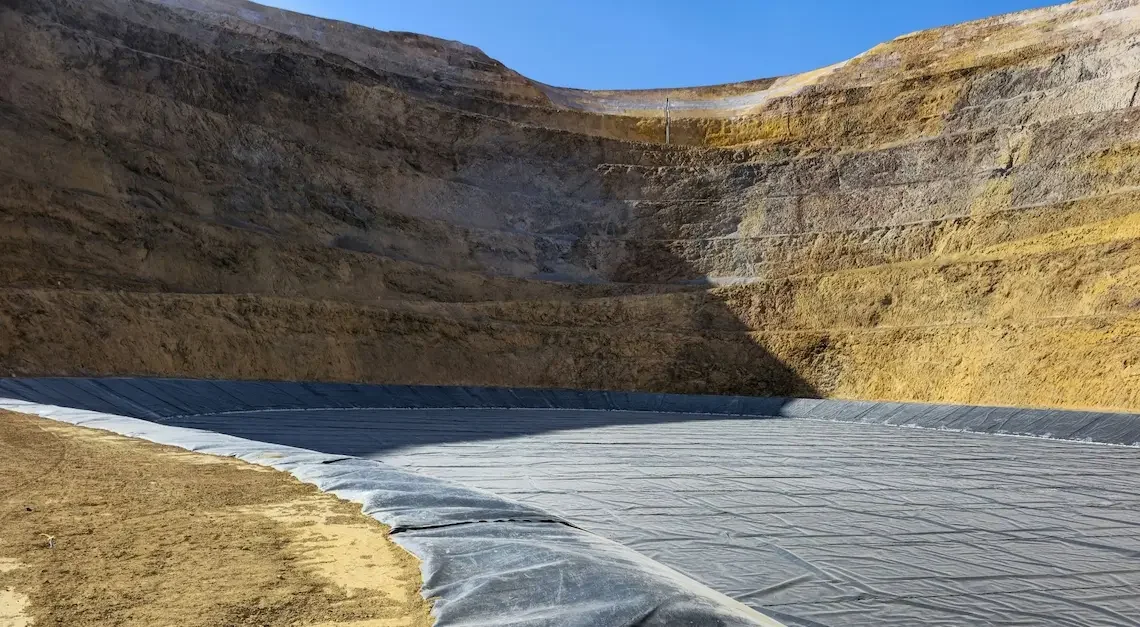
At Geosynthetic Advisors LLC, we run electrical leak location (ELL) surveys to catch pinholes, punctures, tears, and installation defects before they turn into expensive problems like environmental damage, downtime, and legal headaches.
It doesn’t take much; even a small defect in a geomembrane liner can put an entire containment system at risk.
Our certified technicians use state-of-the-art electrical leak detection (ELD) equipment, GPS mapping, and ASTM-compliant testing methods to find defects on both exposed and buried liners. Every survey comes with exact GPS coordinates and a comprehensive digital report. On request, we’ll also handle on-site repairs and retest the area before your project goes into service.
We’ve spent over 30 years installing and repairing geomembrane liners, so we know what to look for. Our job isn’t just finding leaks. We’re here to find a solution that protects your investment, cuts down your liability, and keeps your liner performing for the long haul.
What You Can’t See Can Cost You: Why Leak Detection Matters
Geomembrane liners are a great way to provide a primary barrier in most containment systems. However, a single pinhole leak in a geomembrane liner can go unnoticed for years, quietly letting contaminants seep into the soil and groundwater below. The tiniest hole can lead to big problems, such as:
Contaminated groundwater
Environmental compliance violations
Regulatory penalties and enforcement action
Failed inspections
Compromised containment integrity
Shortened system lifespan
Project delays
Damage to your company’s reputation and loss of stakeholder trust
Liner integrity depends on catching defects that aren’t visible during a standard inspection. A weld may look solid on the surface while hiding a flaw underneath, or backfill debris may puncture the liner after installation, which is why post-liner inspection matters.
Visual inspections and spark testing can miss defects hidden beneath soil, water, or overlapping seams. Electrical leak detection can locate these problem areas before the liner goes into service, helping you avoid failed inspections, regulatory fines, and costly project delays.
Catching a defect during construction costs a fraction of what it takes to fix one after the fact, especially once the liner is buried, backfilled, or holding waste. A survey now protects your budget, timeline, and reputation later.
How Our Liner Leak Detection Services Find What Others Miss
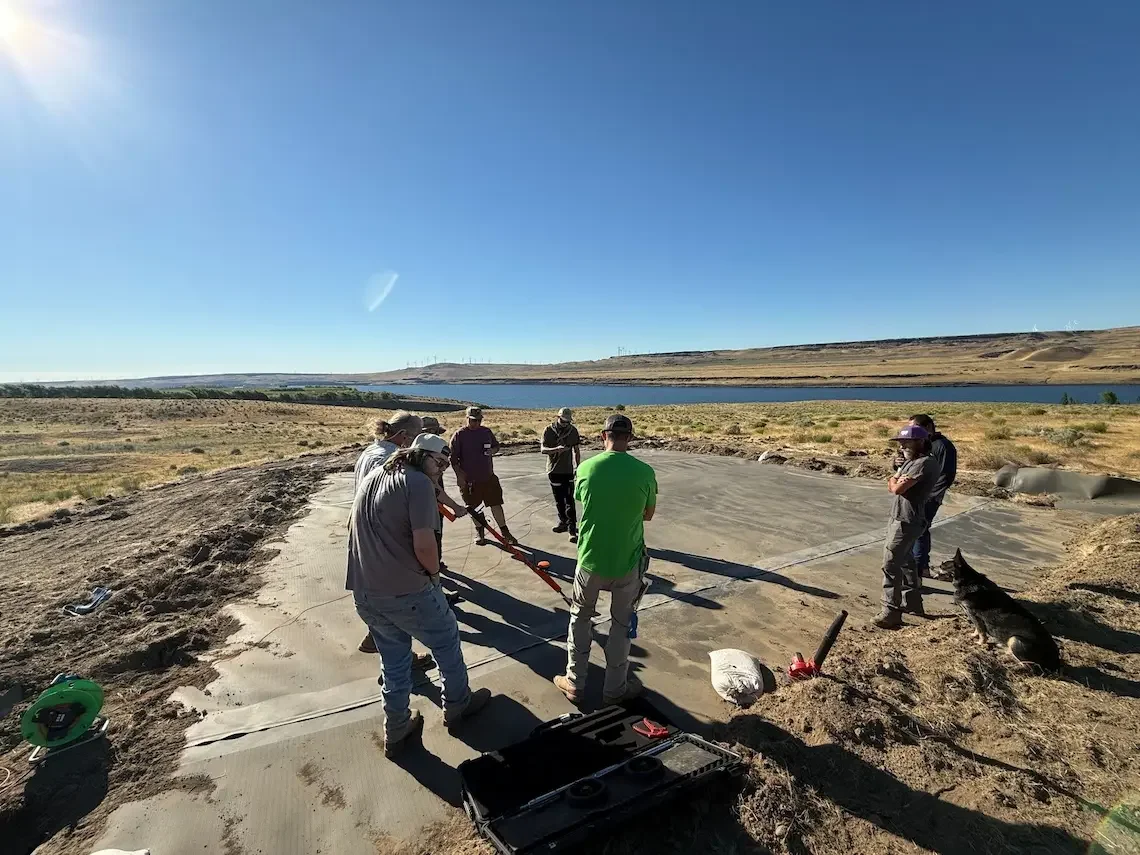
Geosynthetic Advisors runs on industry-leading electronic leak detection equipment, built to make inspections faster and more accurate.
Our technology gives you:
Pinpoint GPS mapping
Leaks flagged the moment they’re found
Every reading logged digitally
Detailed reports for every inspection
Greater sensitivity to catch smaller defects
Quicker turnaround on projects
Less risk of environmental exposure
Our technology is precise enough to catch the smallest defects, and it comes with the documentation you need for regulatory compliance and quality assurance.
Bare Liner Surveys (ASTM D7002)
Bare liner surveys scan exposed, uncovered geomembrane liners using a water puddle system to catch defects before backfill or cover material goes down.
Ideal Applications:
Newly installed liners before backfilling
Ponds, lagoons, and tanks with exposed surfaces
Final quality checks before a liner enters service
Sites where the liner stays uncovered or lightly covered
Benefits:
Catches leaks while repairs are still easy and cheap
Confirms liner integrity before covering or backfilling
Non-destructive testing method
Provides documented proof of a leak-free liner
Spark Testing (ASTM D7240)
Spark testing geomembranes uses a high-voltage probe to quickly check individual seams and patches on exposed geomembranes for pinholes and defects, without requiring water.
Ideal Applications:
Seam and patch inspection during installation
Repair and patch verification
Quality control on welded seams
Localized defect checks on exposed liner
Benefits:
Pinpoints exact defect locations instantly
Fast, targeted testing for seams and repairs
Highly accurate results
No water required
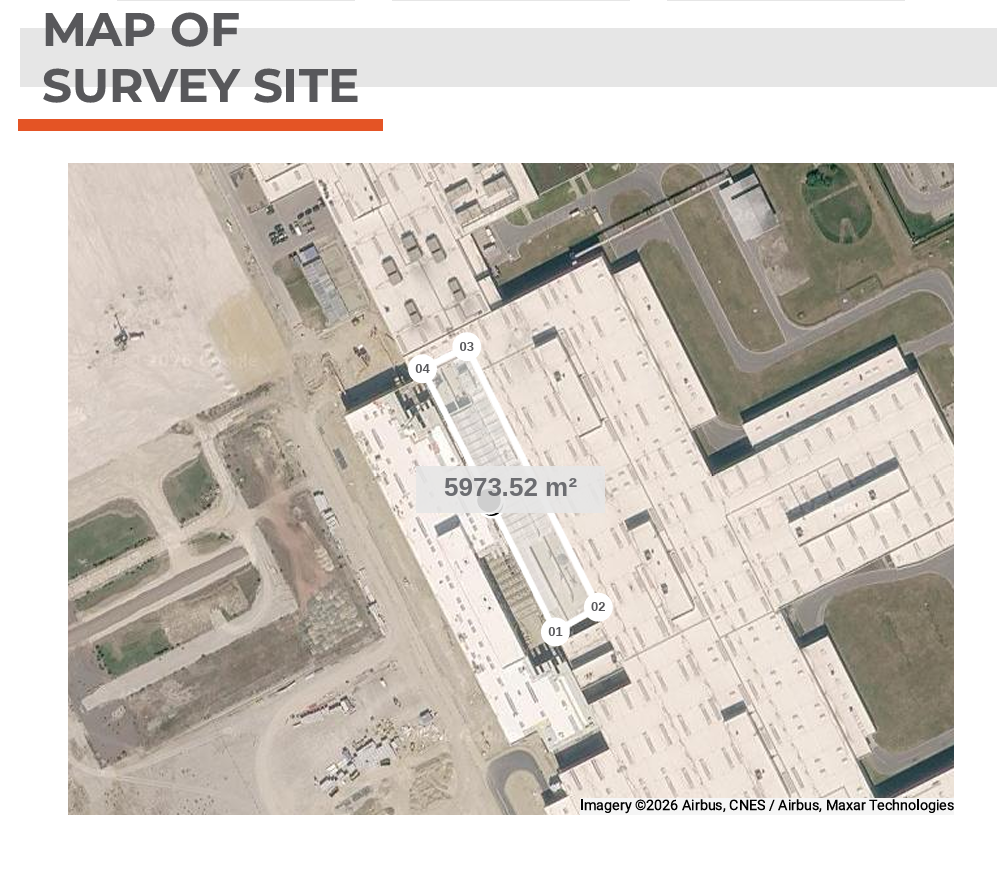
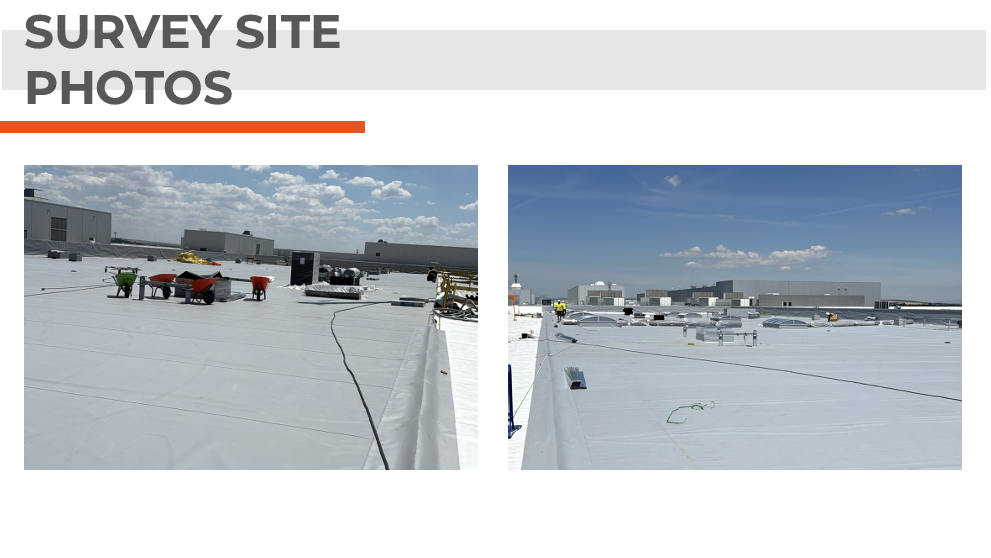
Examples of Testing Reports:
Soil-Covered Dipole Testing (ASTM D7007)
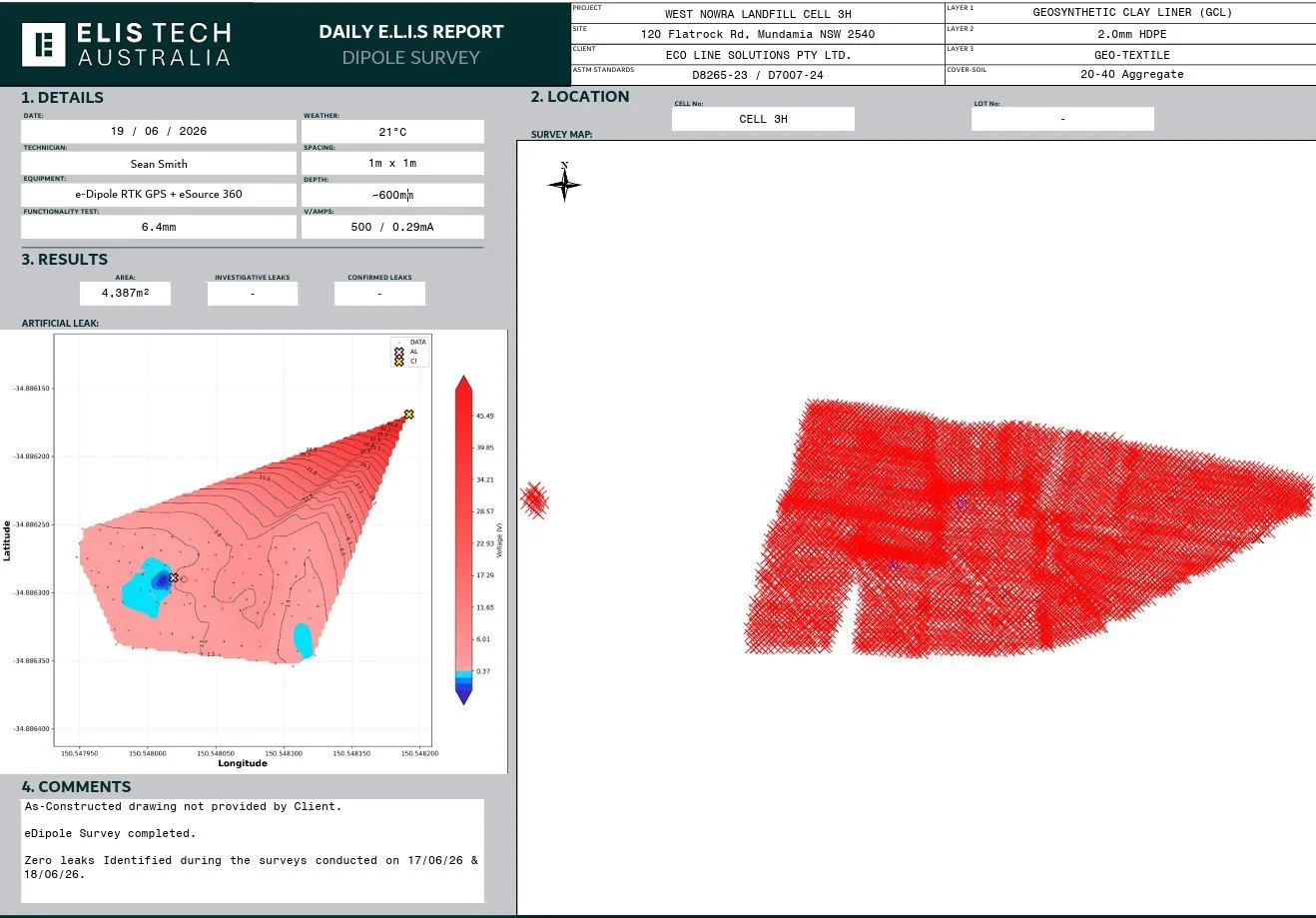
We use GPS-enhanced eDipole technology to catch leaks after backfill. Since intact liners act as insulators, electrical current only passes through actual defects, letting us pinpoint even the smallest leaks with precision through dipole leak detection.
Ideal Applications:
Ponds and lagoons backfilled after liner installation
Reservoirs with soil-covered geomembrane liners
Mining containment facilities
Agricultural waste storage systems
Sites with heavy equipment traffic during construction
Benefits:
Mapped precisely with GPS
Flagged on-site for repair
Recorded in digital reports
Confirmed through post-repair retesting
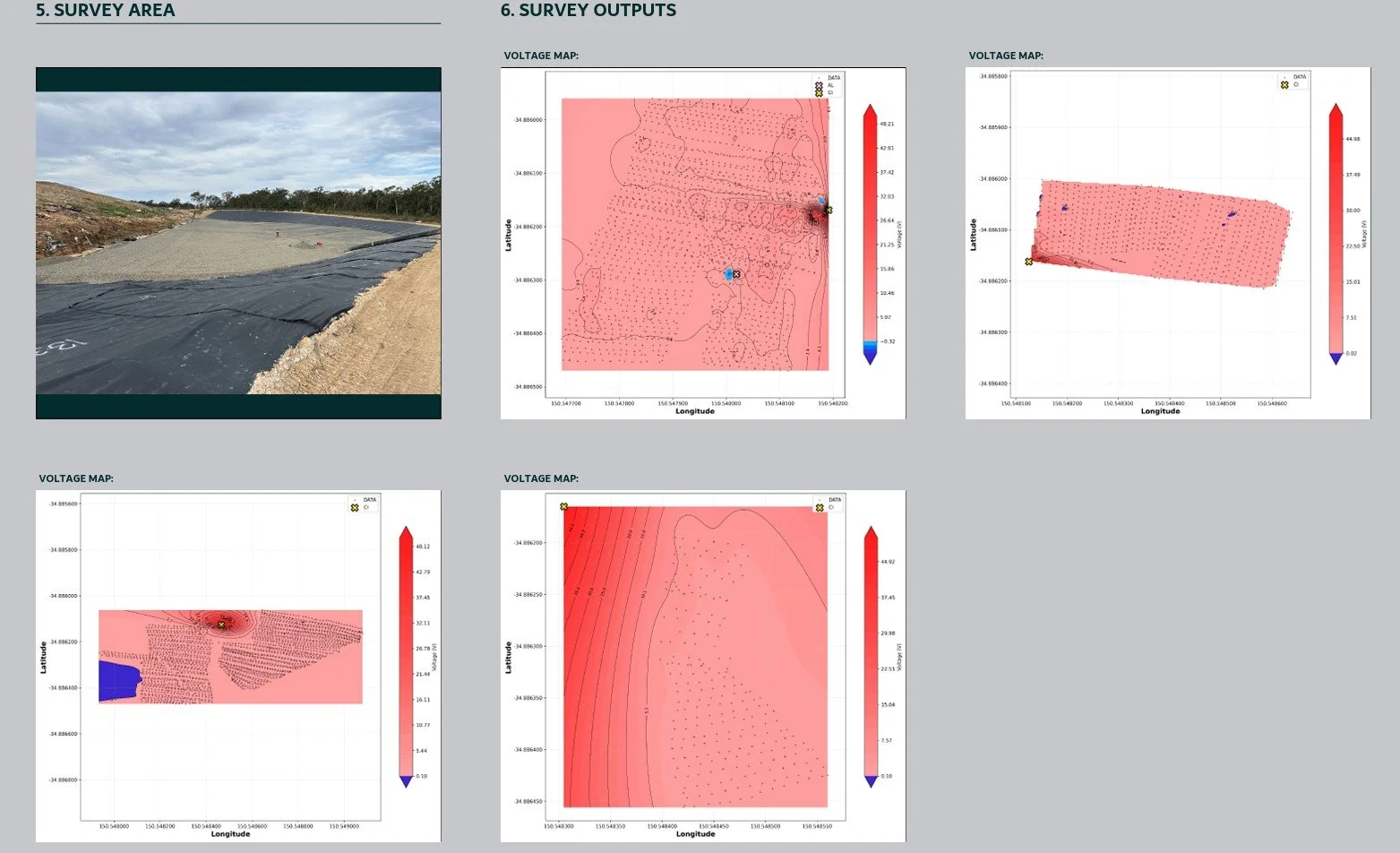
Examples of Dipole Testing Reports:
Arc Testing (ASTM D7953)
Used exclusively on bare liners, arc testing is built for situations where flooding a liner just isn't realistic. By working through a conductive layer underneath the liner instead of water, it locates defects with pinpoint precision, no ponding required.
Ideal Applications:
HDPE and other non-conductive liners
Sites with moist subgrade
Systems using conductive geotextiles
Projects with multiple liner penetrations
Large-scale containment facilities
Benefits:
Quick, dependable results
No water needed for testing
Pinpoint defect accuracy
Defects marked for repair on the spot
Documentation that meets ASTM standards
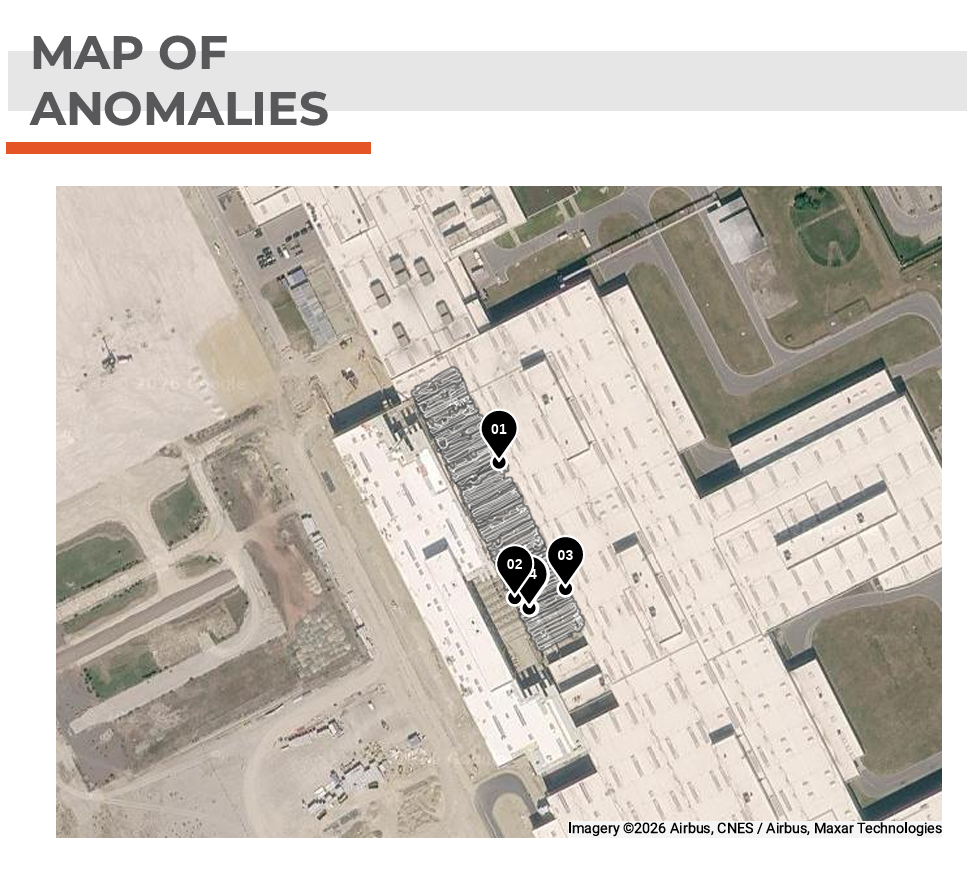
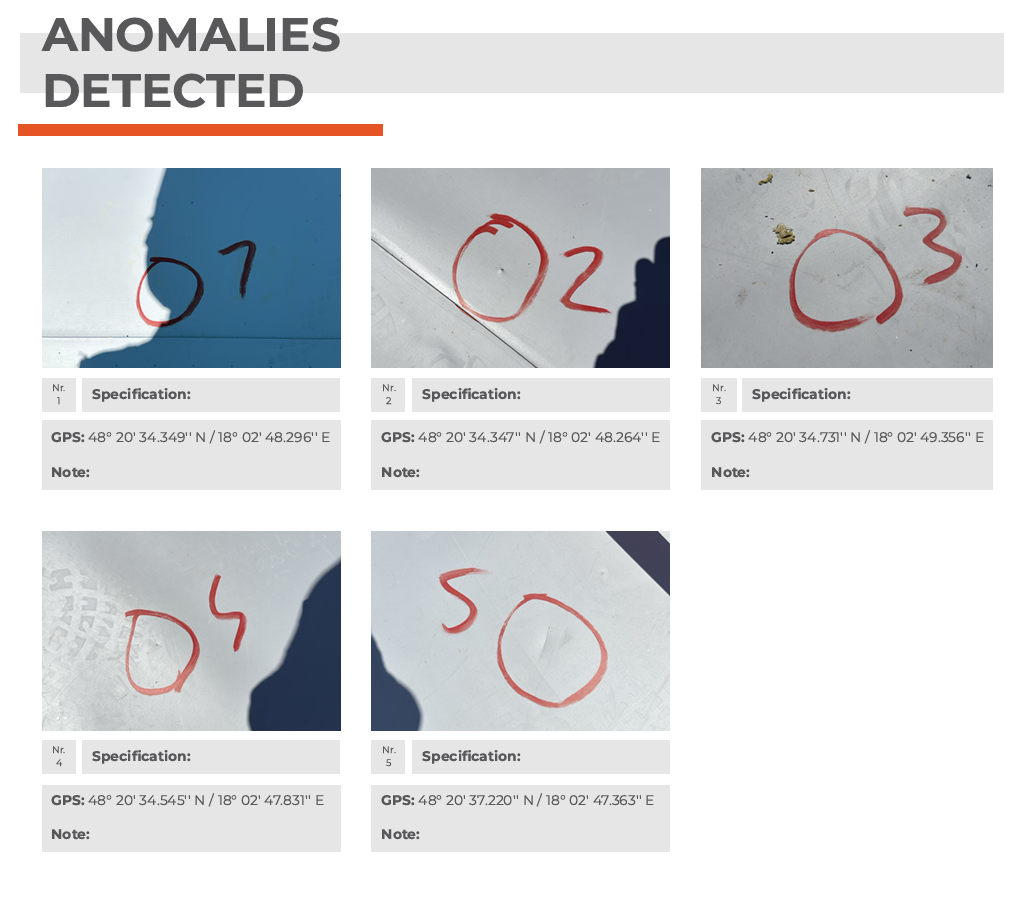
Covered Liner Surveys (ASTM D8265-26)
We run covered liner surveys using electrical current through a conductive backing layer to locate breaches, even under cover materials that standard soil and water testing can’t handle.
Ideal Applications:
Liners protected by various geotextile cushion layers
Systems with conductive backing installed beneath the geomembrane
Non-soil, non-water cover materials
Facilities requiring survey methods beyond standard dipole or arc testing
Projects with complex or layered cover systems
Benefits:
Accurately detects defects through a variety of cover materials
Works with existing conductive backing layers
Precise, GPS-mapped defect locations
ASTM-compliant documentation and reporting
Water-Covered eLagoon Testing (ASTM D7007)
Draining a reservoir just to inspect the liner underneath isn’t always practical or possible. It’s also unsafe when the water is toxic, or the facility needs to remain operational.
Our eLagoon system solves that: a remotely operated, AI-powered robot that surveys fully submerged geomembrane liners in place, detecting leaks as small as 1mm without draining a drop.
Ideal Applications:
Tailing ponds and heap leach pads
Active reservoirs and lagoons that can’t be taken offline
Wastewater treatment facilities
Chemical storage and process water containment
Irrigation ponds and agricultural wastewater lagoons
Coal ash ponds and power generation containment
Benefits:
No drainage or shutdown required
Safe operation in toxic or hazardous liquids
Real-time AI-driven detection accuracy
Fast turnaround, up to 25,000 m² surveyed in under 10 hours
Defensible, blockchain-backed digital reporting
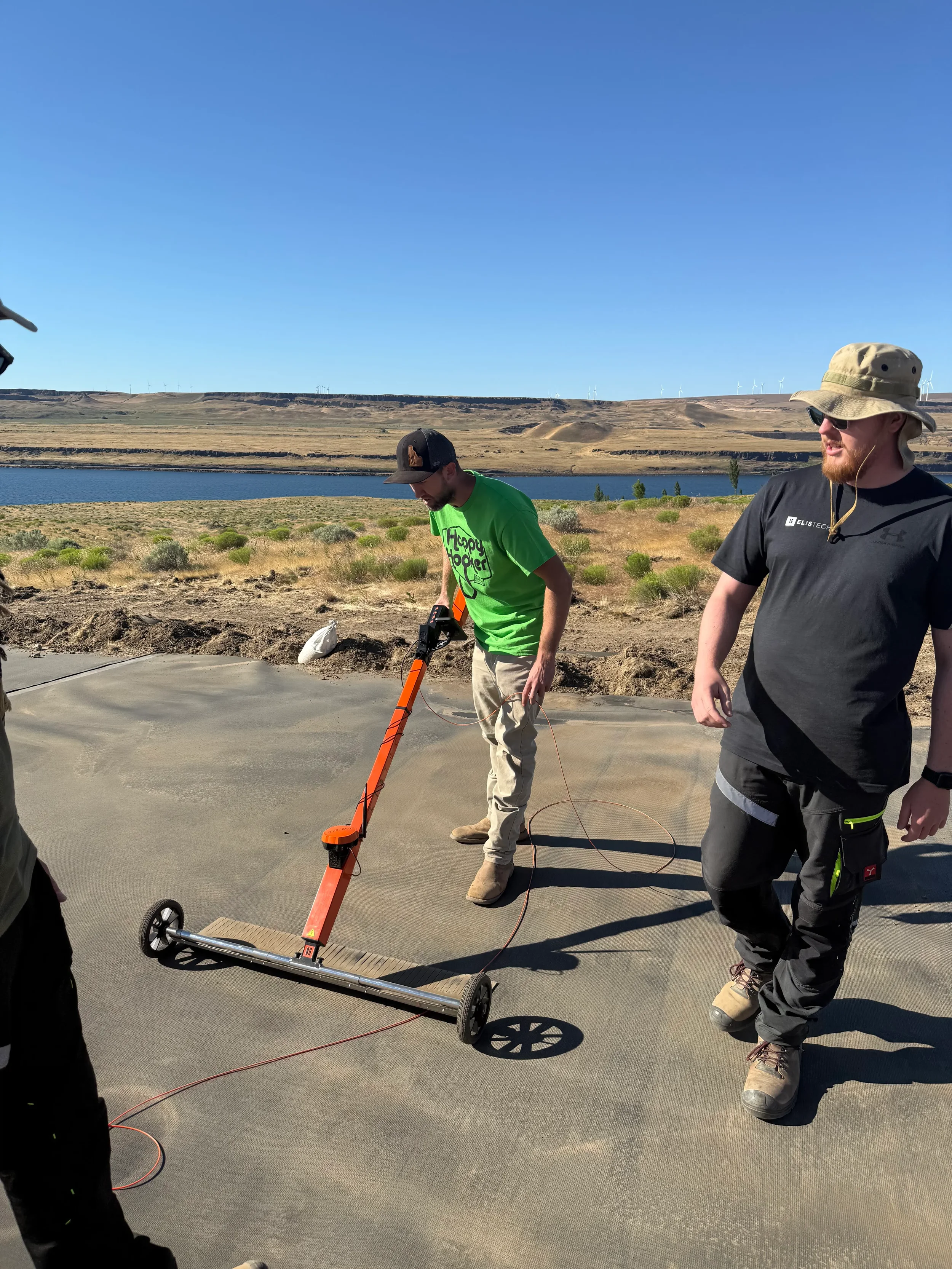
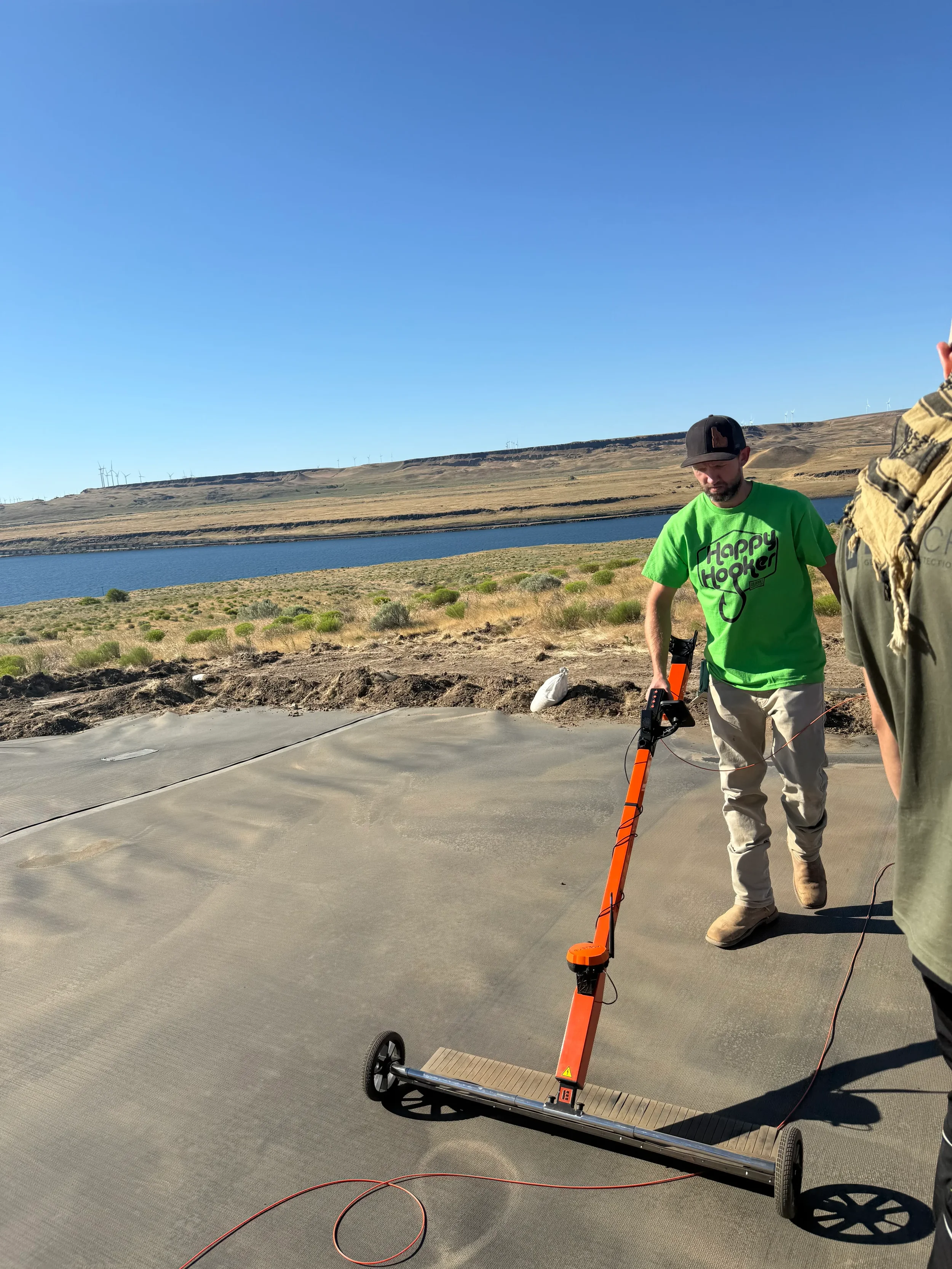
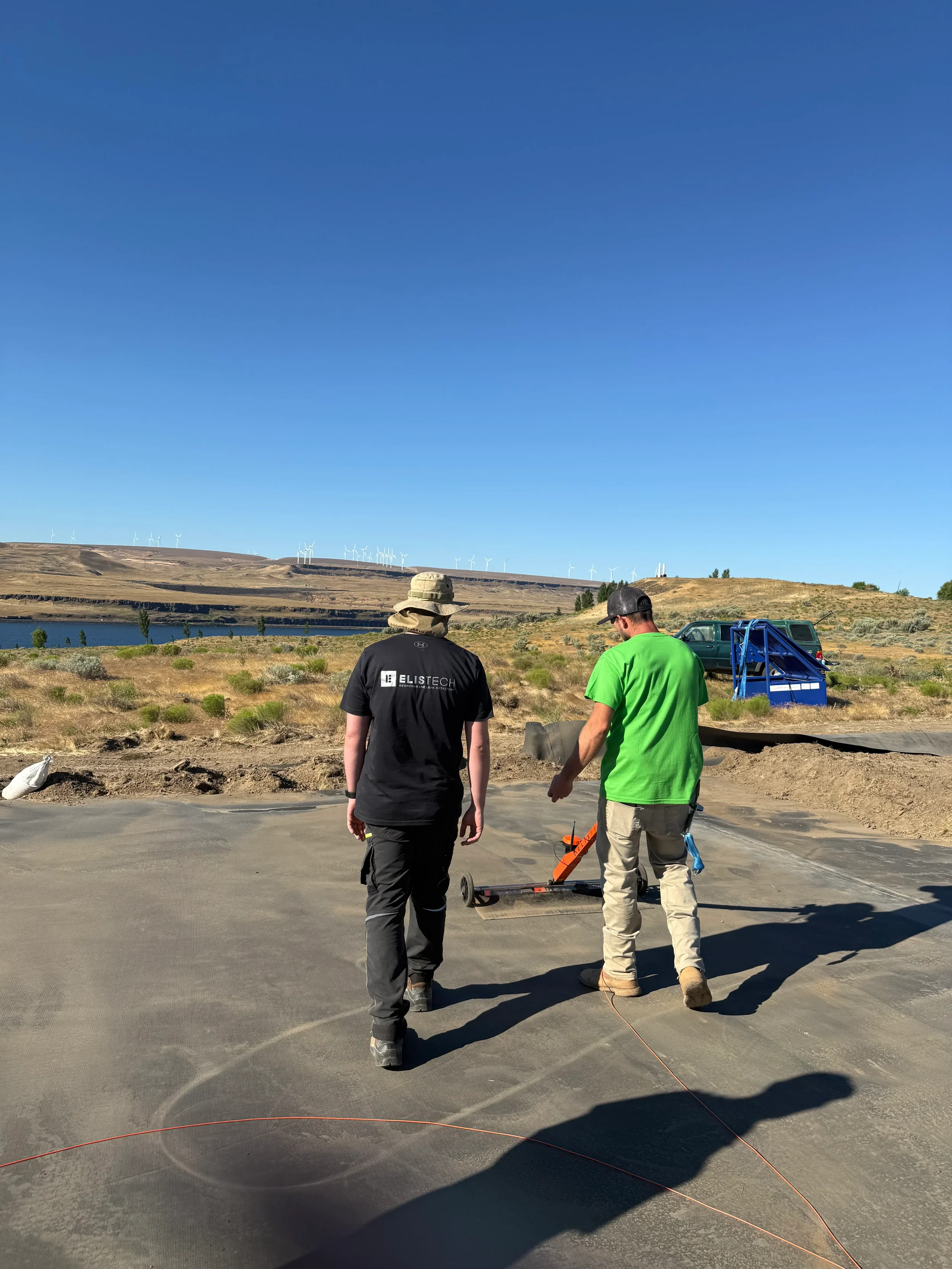
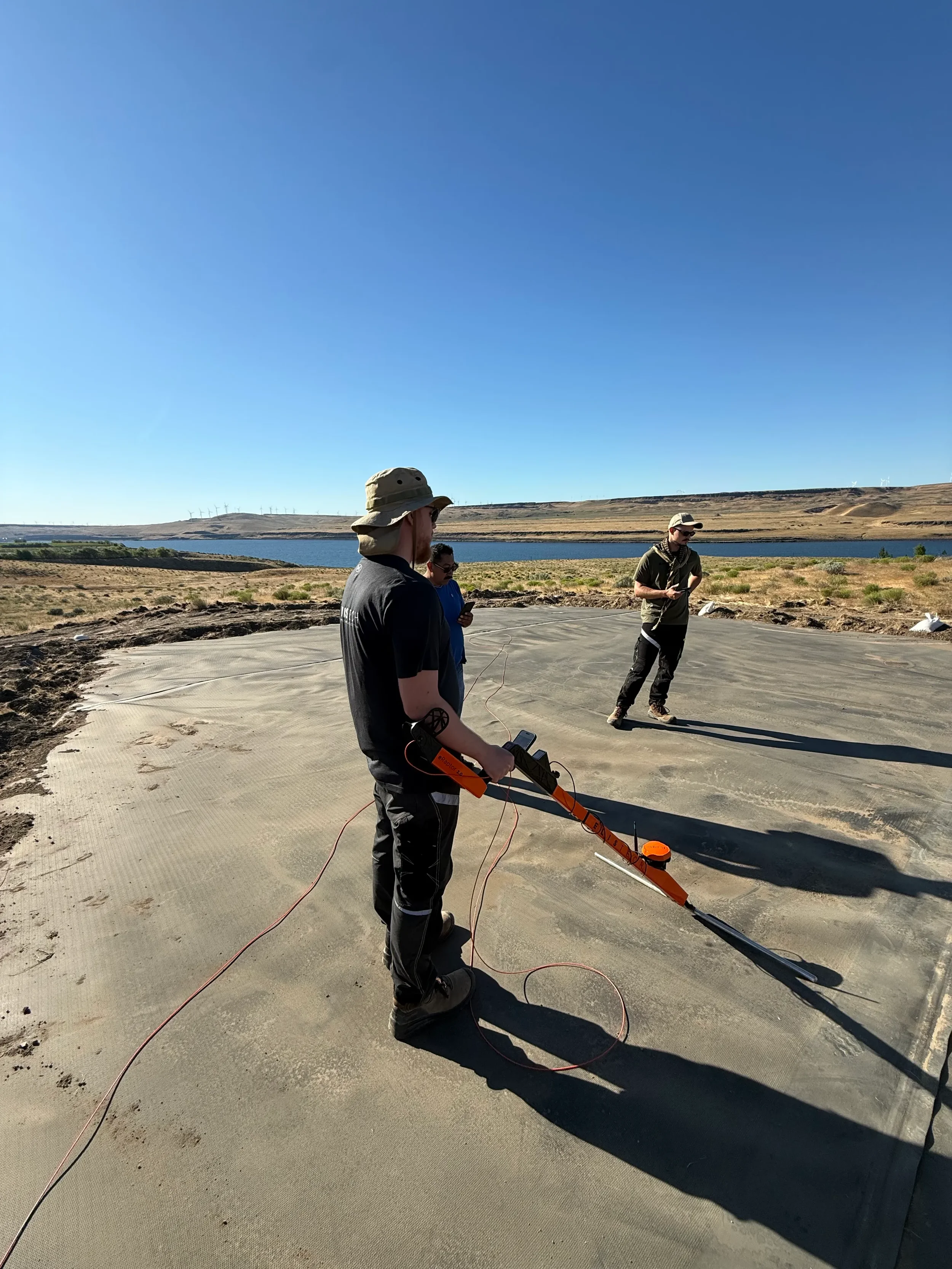
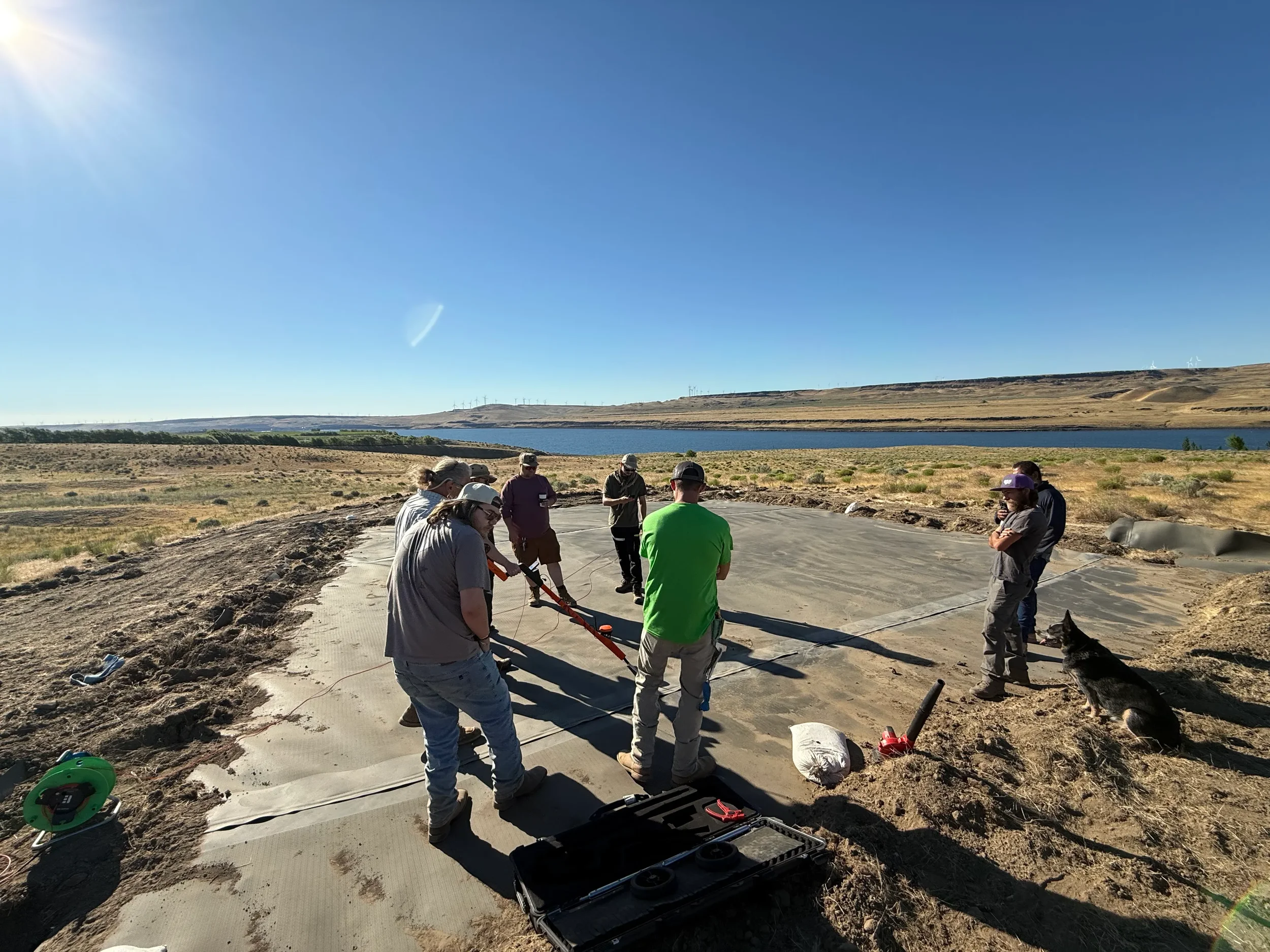
Our Liner Leak Detection Services in Action
Service Areas
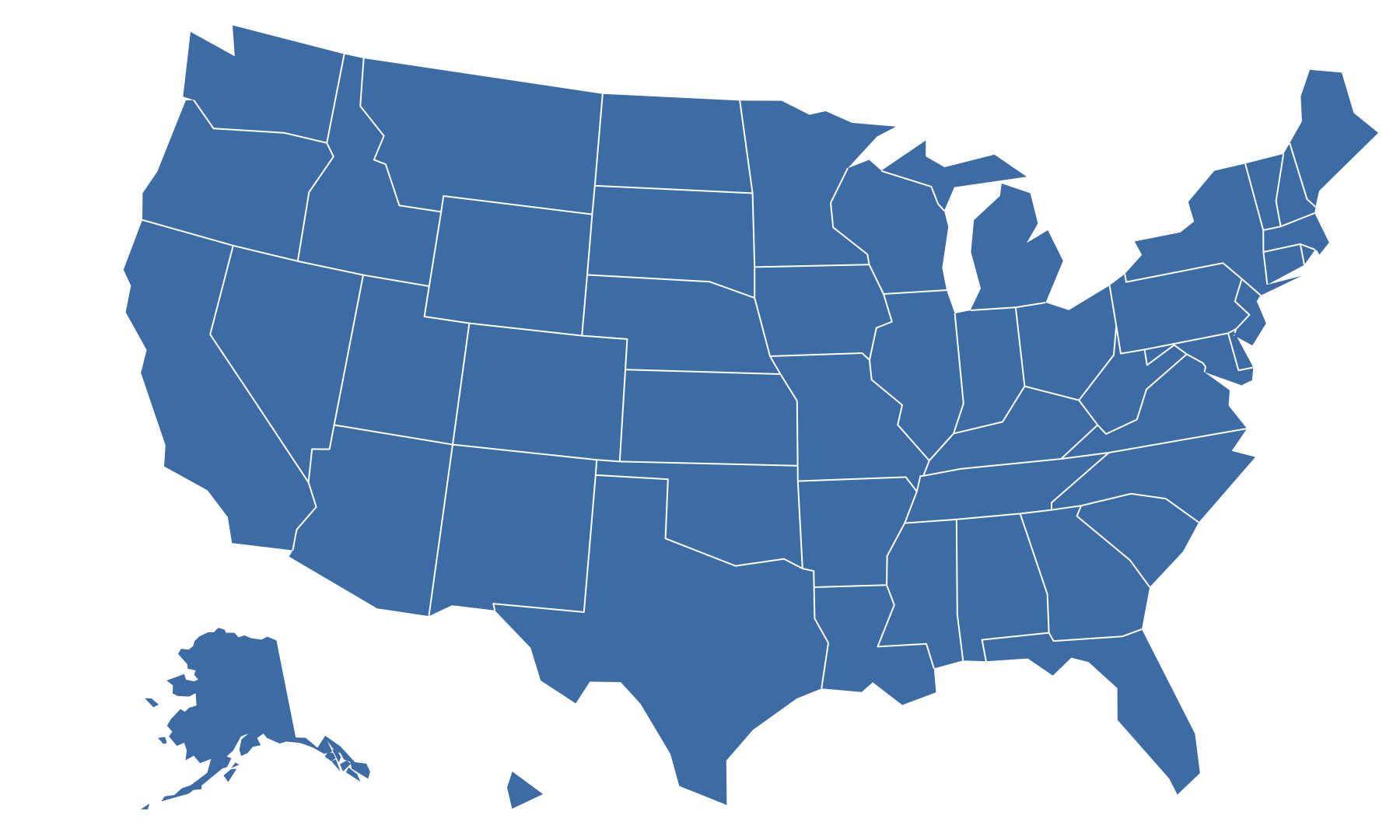
Liner Leak Detection Services: Nationwide
Our team offers comprehensive geosynthetic liner leak detection services nationwide.
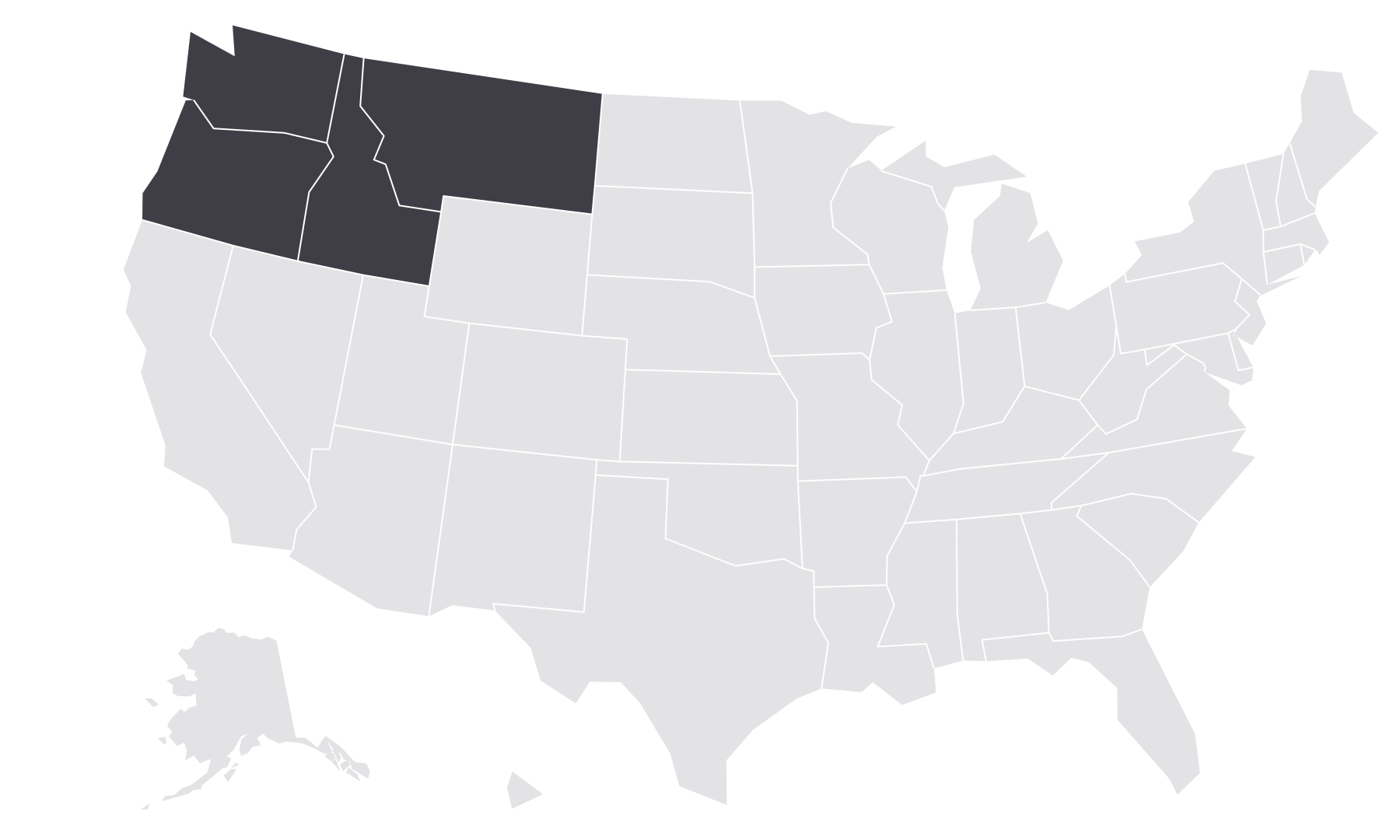
Liner Repair Services: PNW Only
For projects that require liner repair services, our coverage is limited to:
Frequently Asked Questions About Liner Leak Detection Services
-
Our electronic leak detection services are trusted across a wide range of industries, including:
Landfills
Mining (Heap Leach Pads & Tailings Facilities)
Wastewater Lagoons
Industrial Containment
Water Storage Reservoirs
Agricultural Lagoons
Secondary Containment Systems
Decorative & Recreational Ponds
Tanks & Process Basins
Roofing Membrane Systems
And more
-
There are a variety of circumstances in which soil-covered testing would be beneficial. The experts at Geosynthetic Advisors recommend testing:
After protective soil placement
Before facility commissioning
Following heavy equipment traffic
During Construction Quality Assurance (CQA) programs
After repairs or modifications
As part of long-term asset integrity programs
-
We combine cutting-edge robotic and AI technology not found elsewhere with full ASTM D7007 compliance, decades of geomembrane leak detection expertise, rapid mobilization, and end-to-end service (survey, reporting, repair verification, and ongoing monitoring).
-
Costs vary quite a bit depending on several factors:
Survey method: Bare liner surveys tend to cost less than soil-covered or water-covered surveys.
Site size: Pricing is usually calculated per square foot or per square acre, so larger systems tend to cost more overall, though the per-unit rate often drops as size increases.
Site accessibility and conditions: Remote locations, difficult terrain, or tight mobilization windows can add to cost.
Repair and retesting: If defects are found, on-site repair and verification retesting add to the total, though bundling it into the same mobilization is usually more cost-effective than a separate trip.
Contact us today, and we’ll go over your project details and give you an honest, up-front quote before starting any work.
Geosynthetic Advisors Can Protect Your Investment Before Small Defects Become Major Problems
Catching leaks early cuts long-term environmental liability, avoids costly excavation and remediation, and keeps your containment system performing as designed.
From a newly installed liner to a soil-covered system awaiting commissioning, Geosynthetic Advisors LLC brings the expertise, technology, and documentation to verify liner integrity with confidence.
Contact us today to request a proposal or schedule an ASTM-compliant electronic leak detection survey.