
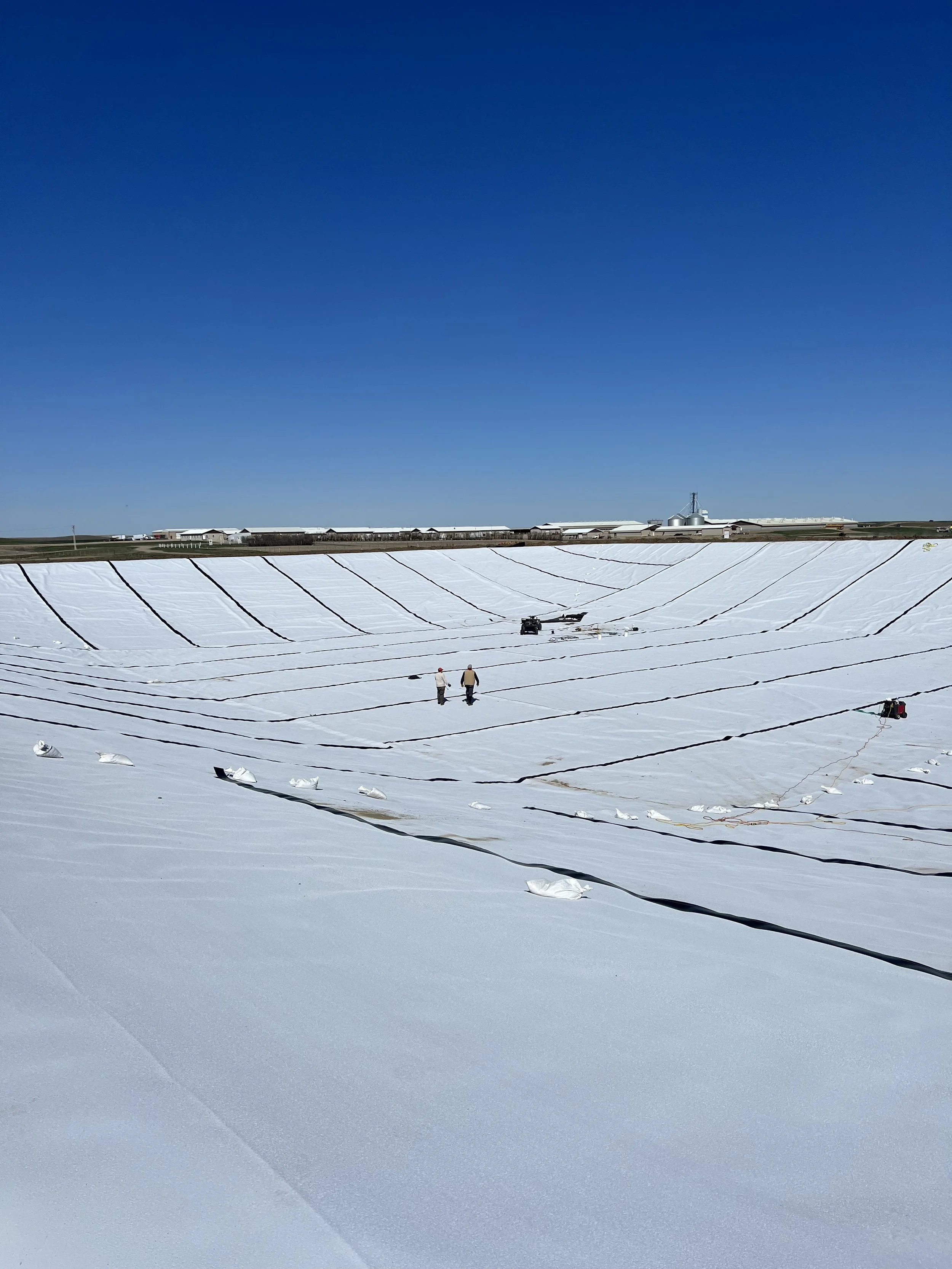
Geomembrane Liner Solutions for Civil & Environmental Projects
Protecting Land, Water, and Infrastructure with Expert Installation & High-Performance Liners
Quality Geomembrane Liner Materials
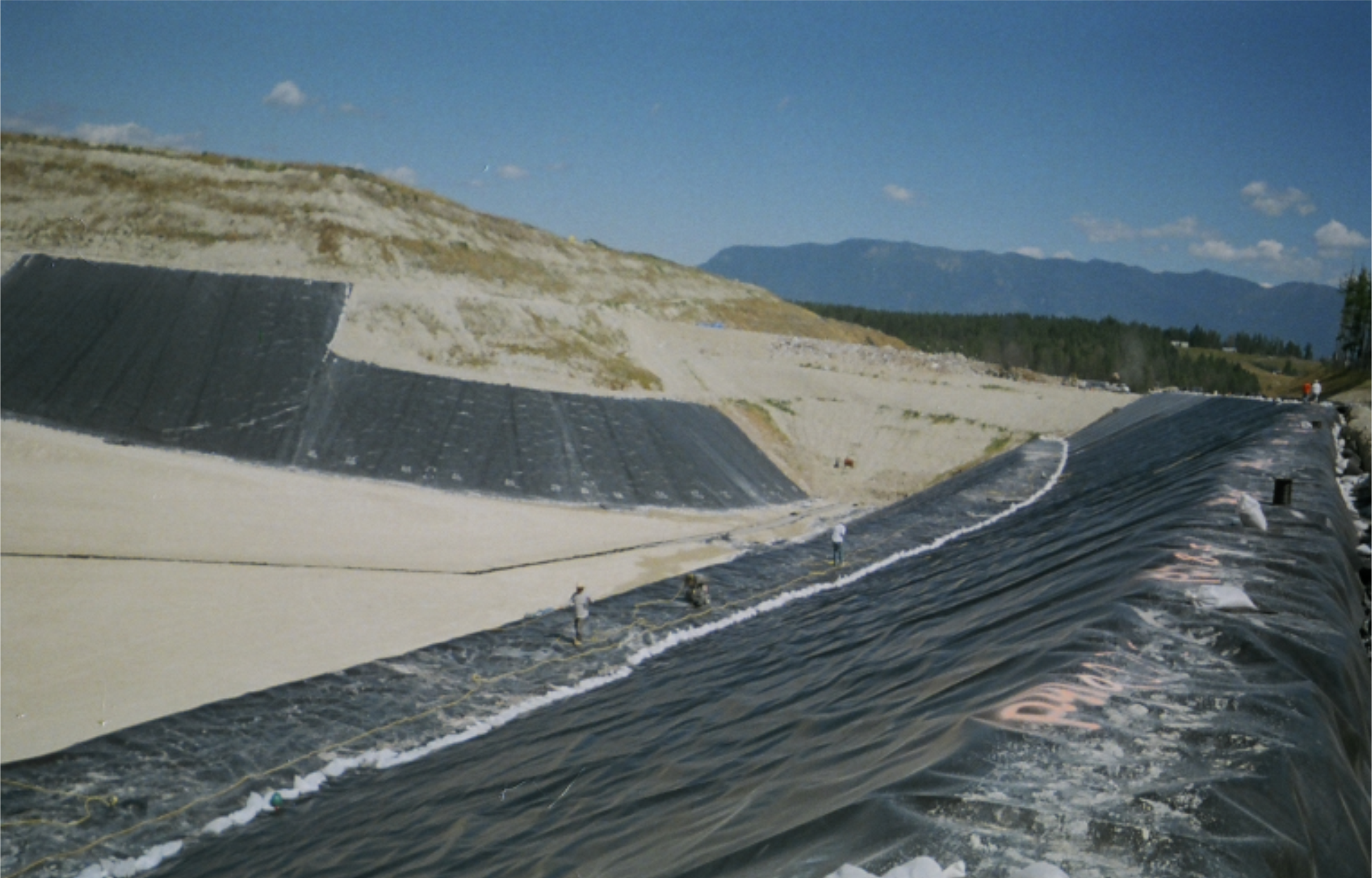
At Geosynthetic Advisors, we specialize in supplying and installing high-quality geomembrane liners for a wide range of civil engineering and environmental containment projects.
Geomembranes are impermeable membranes used to control fluid or gas migration in a man-made structure or system.
From canals and reservoirs to landfills and mining operations, our liners are engineered to deliver long-term performance in even the most demanding conditions.
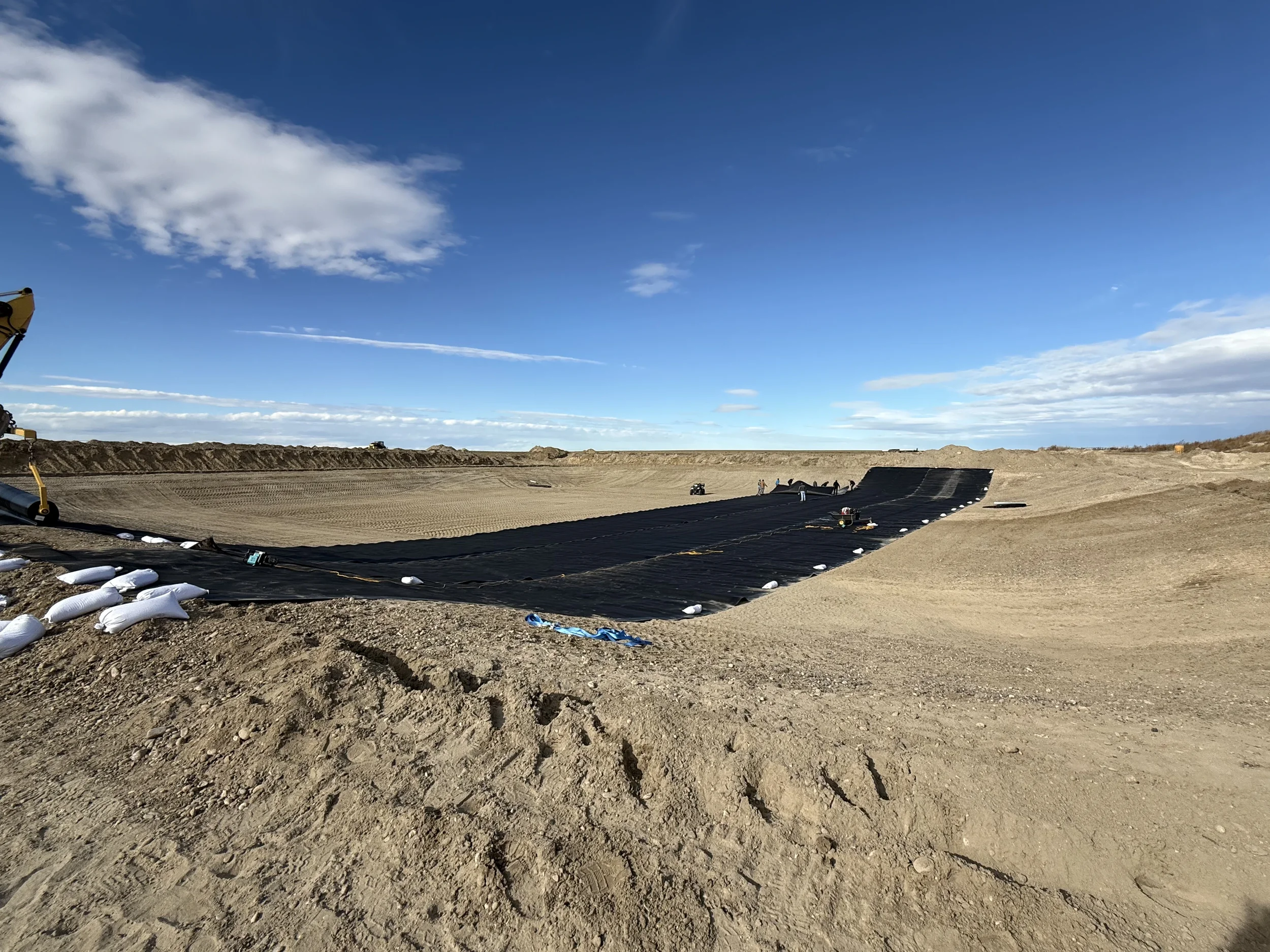
Uses for Geomembrane Liners
Our liner solutions support the following benefits:
-
For environmental projects, we supply liners for landfills, wastewater ponds, and lagoons to prevent contaminants from getting into the soil and water system.
-
For conservation projects, including irrigation canals, reservoirs, and tanks, to minimize water loss through seepage.
-
Our liners secure chemical containment for heap leach pads and tailings dams.
-
We offer durable linings for animal waste lagoons, irrigation ponds, and ponds for waste and water management.
-
To protect surrounding areas, geomembrane liners are durable solutions for stormwater systems and secondary containment.
HDPE vs LLDPE Geomembrane Liners:
The two primary polyethylene geomembrane materials we install are HDPE (high-density polyethylene) and LLDPE (linear low-density polyethylene).
Both are produced in a range of thicknesses and surface finishes, and both meet independent GRI industry standards.
Choosing the right geomembrane material depends on your project’s needs for flexibility, chemical resistance, subgrade conditions, and UV stability.
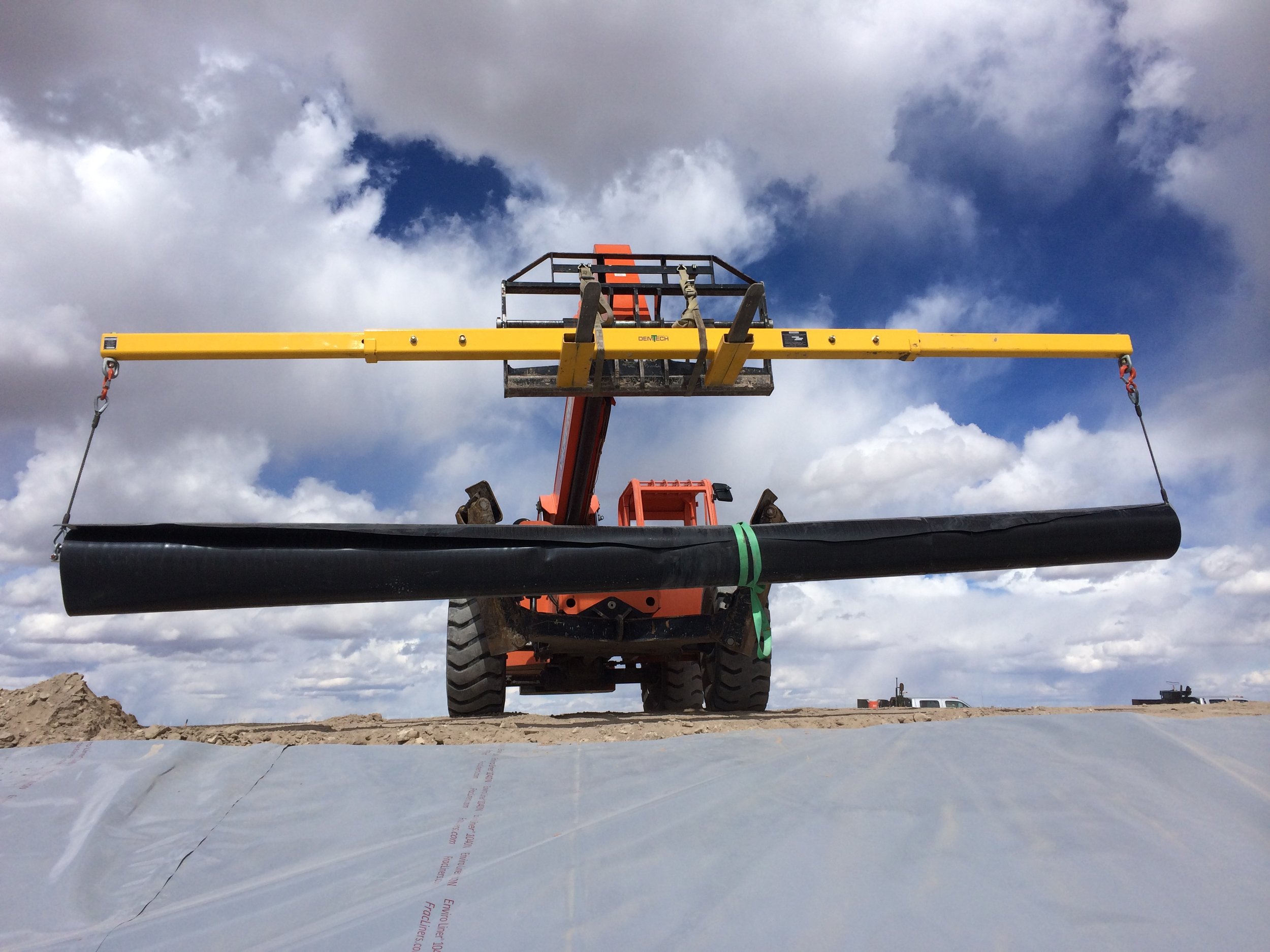
HDPE Liners
Ideal for harsh chemical environments and long-term containment
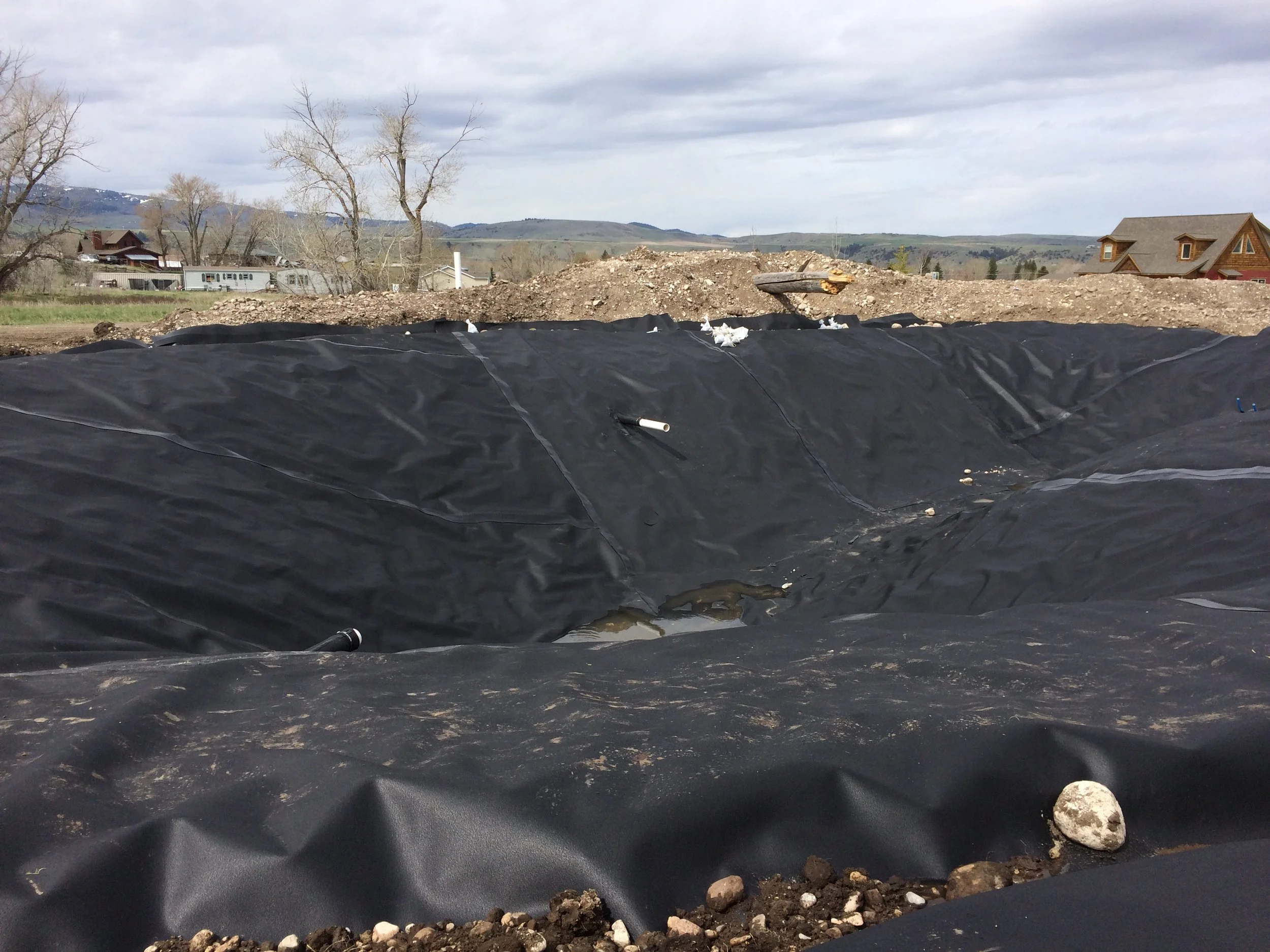
LLDPE Liners
Great for flexibility and conforming to uneven surfaces

Features of HDPE:
Textured for Slope Stability
Blown-film texturing improves friction angle and slope adherence
Smooth for Seam Efficiency
Cleaner, easier welds mean lower installation costs and stronger seams
Superior Chemical Resistance
Inert to most hydrocarbons, acids, and industrial waste
High UV Resistance
Withstands extreme weather and long-term exposure
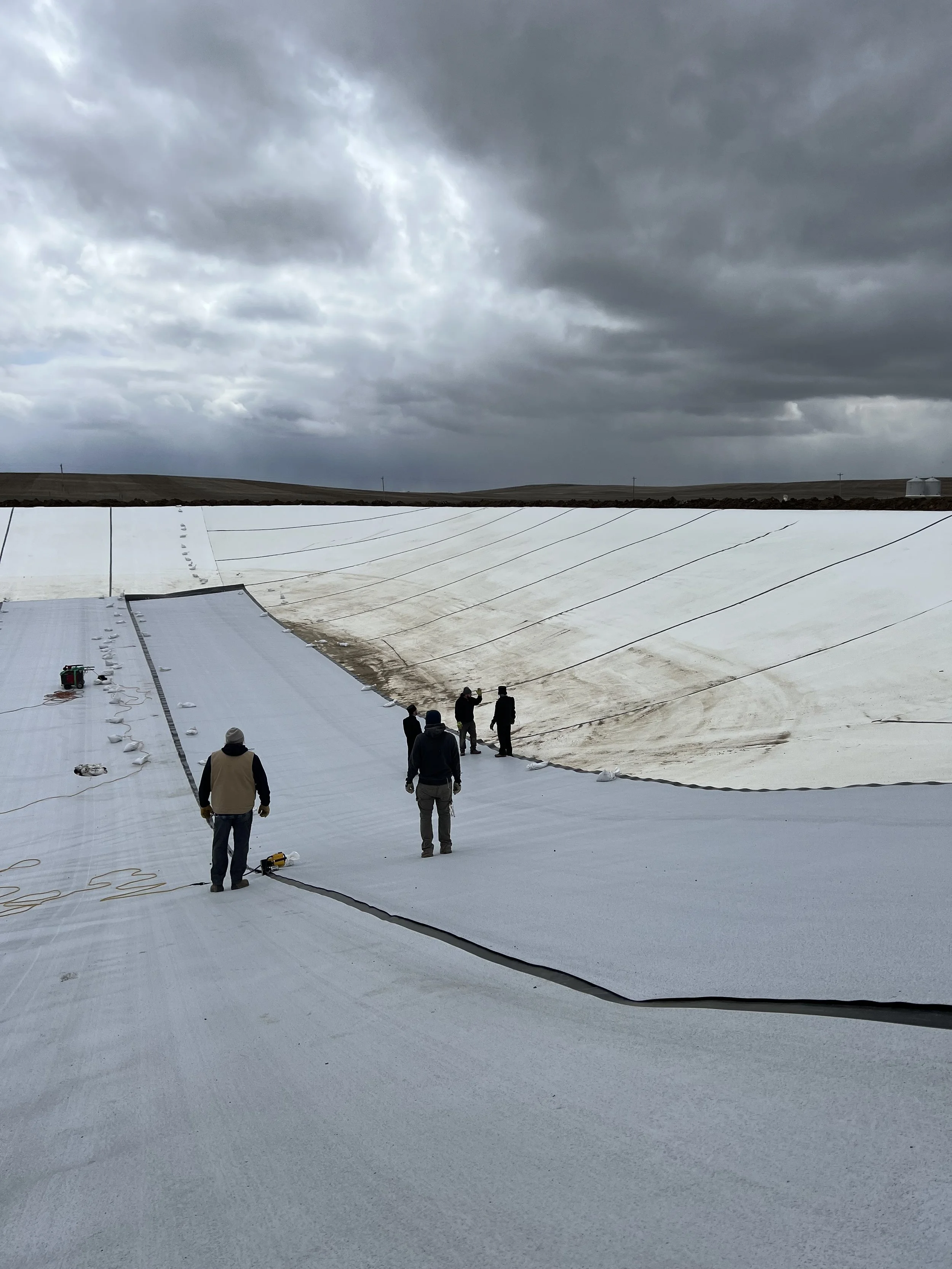
HDPE Liners Features & Benefits
Benefits of HDPE:
Puncture & Stress-Crack Resistance
Reliable under high stress and differential settlement
Aquatic-Safe
Certified for use in fish ponds and water features
Professionally Installed - Built to Last
Ensures proper welding, integrity testing, and longevity
Backed by a 20-Year Warranty
Performance and peace of mind guaranteed
Common HDPE Applications:
Landfill base and cap liner systems
Mining tailings ponds and heap leach pads
Wastewater and stormwater treatment ponds
Industrial chemical containment
Long-term water storage reservoirs
Key Features of LLDPE:
High Flexibility
Easily conforms to uneven or shifting ground without cracking or tearing.
Low Permeability
Acts as a strong barrier against water, chemicals, and waste, ideal for leak prevention.
Chemical Resistance
Resists exposure to acids, alkalis, and industrial contaminants common in landfills, mining, and agricultural sites.
UV & Weather Resistance
Withstands long-term exposure to sunlight and extreme weather without degrading.
Lightweight & Easy to Install
Reduces labor time and equipment costs with manageable roll sizes and straightforward welding.
Thermal Stability
Maintains structural integrity in both high and low temperatures.
Customizable Thicknesses & Finishes
Available in smooth or textured finishes to suit both flat and sloped installations.
LLDPE Geomembrane Liners
Linear Low-Density Polyethylene (LLDPE) is a durable, flexible polyethylene with outstanding resistance to chemicals, UV exposure, and moisture. Its low permeability and high adaptability make it ideal for lining uneven surfaces and protecting against leakage or contamination. LLDPE is engineered around elongation, with the ability to stretch and conform without cracking.
Top Benefits of LLDPE:
Durability That Lasts
LLDPE liners offer long service life, reducing replacement frequency and long-term costs.
Environmental Protection
Prevents leaks and contamination to meet regulatory requirements and protect surrounding ecosystems.
Cost-Effective Performance
Offers excellent containment properties at a more economical price point than other materials like HDPE or PVC.
Versatility Across Applications
Ideal for use in landfills, ponds, canals, mining, agriculture, and civil engineering projects.
Safe & Sustainable
Made from non-toxic materials with a low environmental footprint during production and installation.
Common LLDPE Applications
Agricultural irrigation ponds and canals
Decorative ponds and water features
Animal waste lagoons
Landfill cap systems with anticipated settlement
Sites with irregular or complex subgrades
Geomembrane Specifications
The two tables below cover specifications for both HDPE and LLDPE geomembranes.
The first table lists the properties that differ between the two materials, which is where the selection decision happens.
Material-Specific Specifications
| Property | HDPE | LLDPE |
|---|---|---|
| Material Characteristics | High stiffness, superior chemical resistance, long-term durability | Flexibility and elongation for uneven or dynamic subgrades |
| Standard Quality Spec | GRI GM13 | GRI GM17 |
| Best Applications | Landfills, mining heap leach pads, chemical containment, and long-term rigid containment | Settling ground, complex pond shapes, retrofits, and agricultural sites |
Shared Specifications Reference Data
| Property | Specification / Value |
|---|---|
| Thickness Options | 20, 30, 40, 60, 80, 100 mil |
| Common Installations | 40 mil (standard duty), 60 mil (heavy duty) |
| Weight (40 mil) | ~0.50 lbs/sq ft |
| Weight (60 mil) | ~0.75 lbs/sq ft |
| Permeability Coefficient | < 1 × 10-13 cm/sec |
| Surface Options | Smooth, single-sided textured, double-sided textured |
| Roll Width | Up to ~23 ft |
| Roll Length | ~200–800 ft (varies by thickness) |
Surface Options: Smooth and Textured Geomembranes:
Smooth Geomembranes Smooth liners offer:
Clean welded seams and faster installation
Lower installation cost on flat or low-slope projects
Suitable for ponds, canals, tanks, and flat-bottom containment
Textured Geomembranes Textured liners (single-sided or double-sided) offer:
Increased interface friction with soil and geotextiles
Improved slope stability on embankments and lined pond walls
Suitable for landfill slopes, steep-sided reservoirs, and civil works with varied terrain
MicroSpike® Geomembrane by AGRU America
For projects with steep slopes or where consistent interface friction is critical, we install MicroSpike® textured geomembrane by AGRU America. MicroSpike uses a structured micro-spike texture produced by flat die-cast extrusion, which gives the panel uniform friction across the full sheet.
MicroSpike advantages:
Higher shear strength than conventional textured liners
Consistent, predictable interface friction that eliminates the "VELCRO effect" common with traditional texturing methods
Smooth edges for reliable thermal fusion welding
Reduced QA/QC variability during installation
Available in HDPE and LLDPE, 30 to 100 mil. Best applications: landfills, mining heap leach pads, and other steep-slope containment systems.
Geomembrane Liner Installation Capabilities
Geosynthetic Advisors delivers full-scope geomembrane installation services across the western U.S.
Materials and panel formats:
40 to 100 mil HDPE and LLDPE geomembrane systems
Smooth and textured finishes, including MicroSpike®
Large prefabricated panels or field-seamed rolls
Welding methods:
Thermal fusion welding for primary seams
Extrusion welding for details, repairs, and complex penetrations
QA/QC procedures:
Air channel testing on dual-track welds
Spark testing on extrusion welds
Destructive seam sampling per project specification
System integration:
Geotextile cushion layers above and below the liner per project design
Coordination with geosynthetic and pipe components for complete containment systems
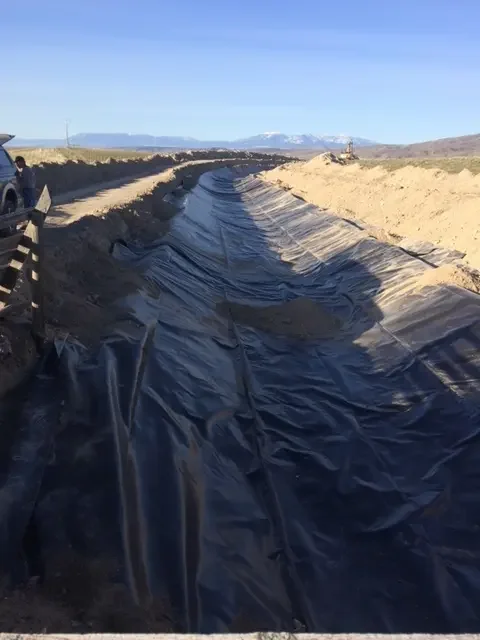
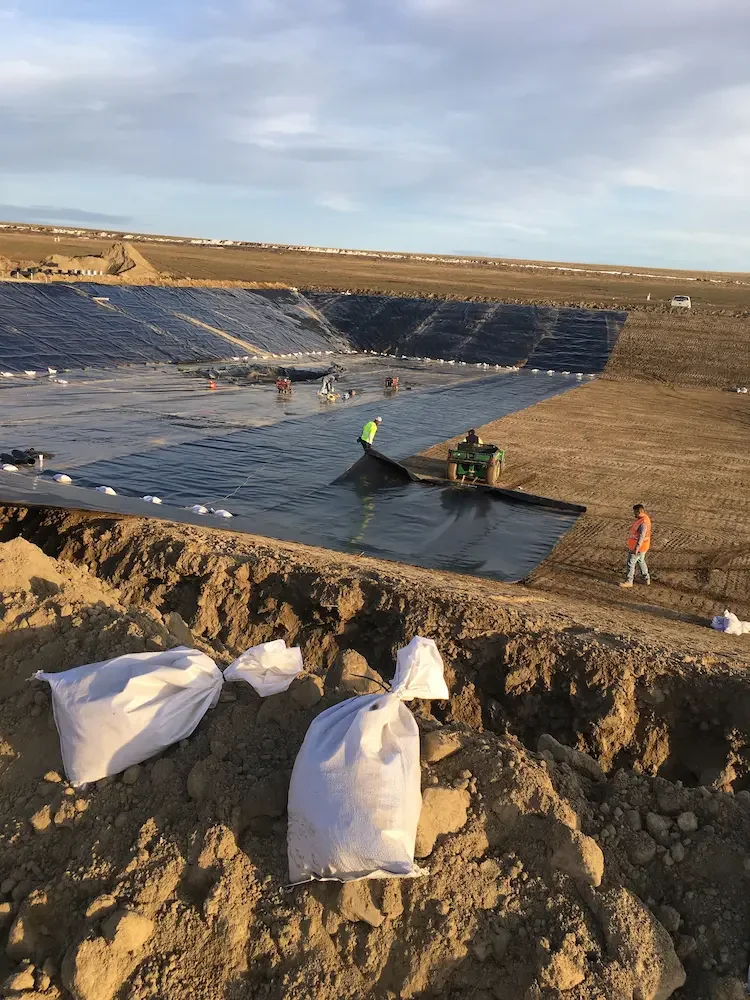
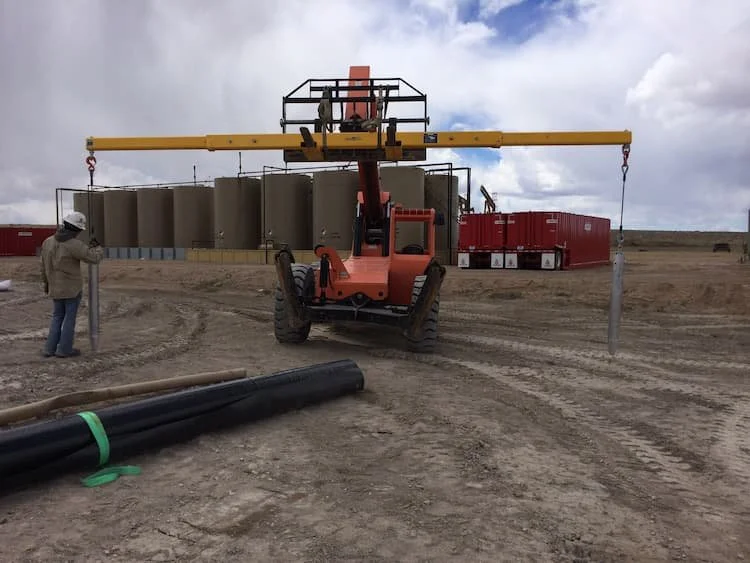
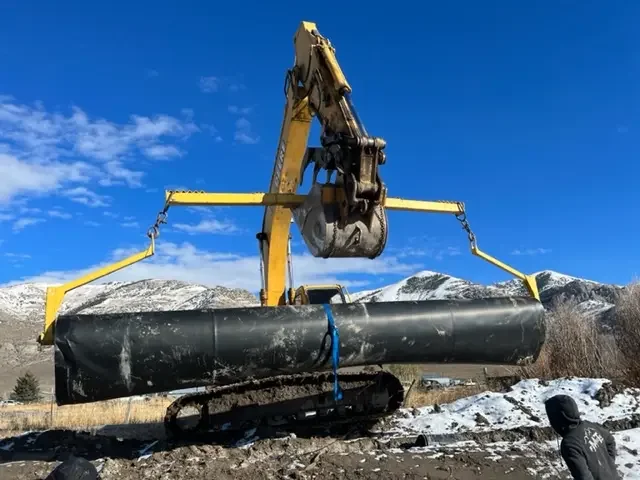
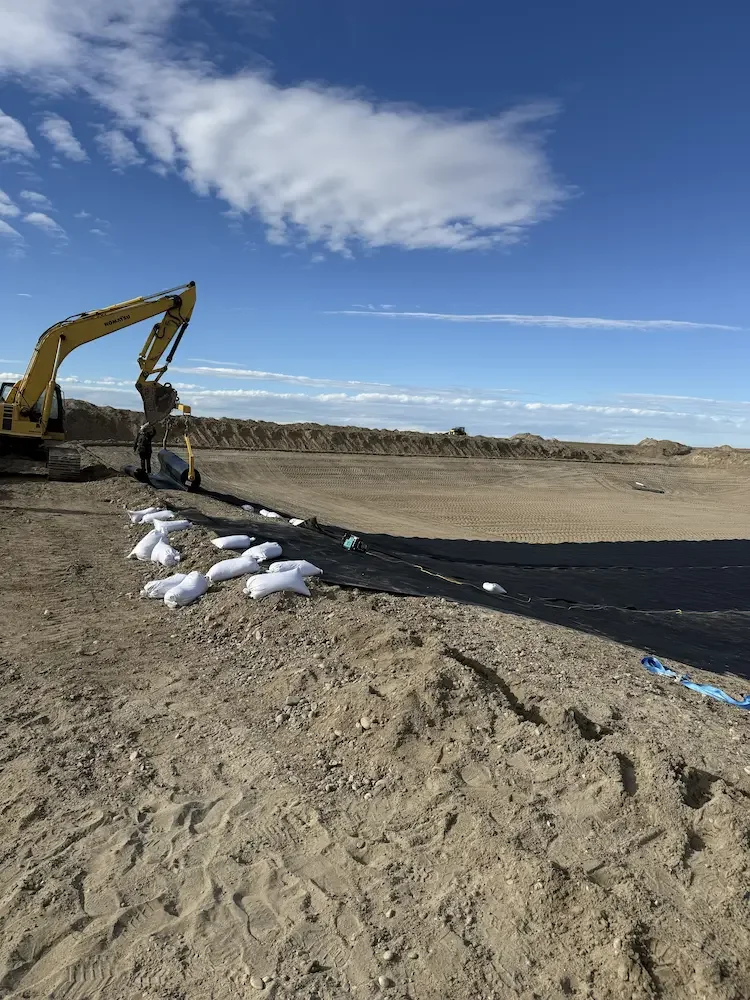
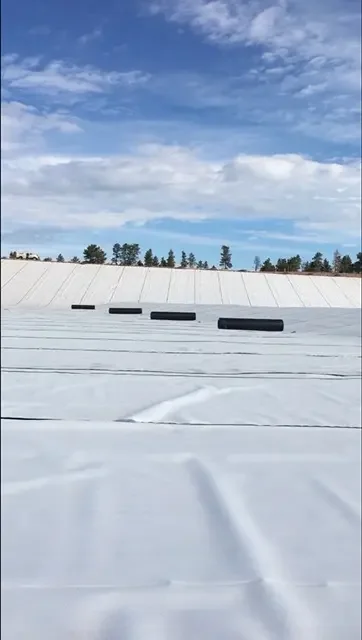
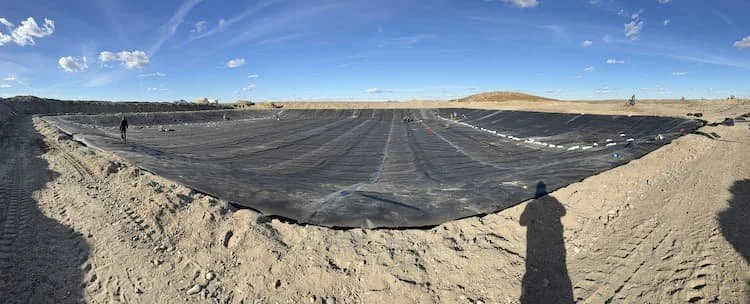
See Geomembrane Projects We’ve Worked on
Applications for Smooth & Textured Geomembranes
-
![]()
Environmental & Waste Management
Landfill Liners & Capping Systems
Leachate Collection Ponds
Hazardous Waste Containment
Remediation Liners
-
![]()
Mining & Energy
Tailings Ponds & Heap Leach Pads
Fuel Storage & Spill Containment
Brine Evaporation Ponds
-
![]()
Water & Agriculture
Wastewater Containment Ponds
Fire & Fish Ponds
Agricultural Water Storage
Irrigation Reservoirs
-
![]()
Recreational Ponds
Residential Fishing Ponds
Decorative Water Features for Resorts or Parks
Golf Course Water Hazards & Irrigation Ponds
Backyard Swimming & Wildlife Ponds
Campground or Winery Fire Ponds


Why Choose Geosynthetic Advisors for Your Geomembrane Project?

When you work with our team at Geosynthetic Advisors, you get more than just the product. We support your project with full-service.
✔️ In-house technical expertise: Our installers will help you choose the right liner for your project.
✔️ End-to-end installation services: Our services are tailored to provide everything you need from material, to design and build, to professional installation.
✔️ Proven track record: We have nearly 30 years of experience working with public agencies and private developers throughout the region.
✔️ Quality Assurance: We back every installation with our commitment to delivering high-quality standards, ensuring your geomembrane liner is installed correctly to last you for years to come.
Frequently Asked Questions (FAQs) About Geomembrane Liners:
-
A geomembrane is a very low-permeability synthetic membrane liner or barrier. Its primary purpose is to control the movement of fluids (liquids or gases) in a project. It acts as an impermeable shield to prevent seepage, contain contaminants, and separate different materials.
-
Common applications include lining reservoirs, landfills, wastewater treatment ponds, and mining operations to ensure that potentially harmful liquids do not leak into the surrounding soil and groundwater.
-
When properly selected, installed, and protected, geomembranes have a very long service life. Many are engineered to last for decades, with HDPE liners often having design lives exceeding 30 years and potentially up to 100 years under ideal conditions.
The key factors that influence their lifespan include:
Material Type
UV Exposure:
Chemical Exposure
Installation Quality
Physical Protection
-
The core difference is that HDPE is rigid and strong, while LLDPE is flexible and conformable.
HDPE (High-Density Polyethylene) is known for its exceptional tensile strength and high chemical resistance. Its stiff nature makes it ideal for large-scale containment projects with stable foundations, such as landfills, reservoir liners, and tailings dams, where impermeability and durability are the top priorities.
LLDPE (Linear Low-Density Polyethylene) offers superior flexibility, elongation, and resistance to stress cracking. This allows it to conform to uneven subgrades and accommodate minor ground movement without failing. It is often the preferred choice for applications like agricultural lagoons, canal linings, and landfill caps where adaptability is crucial.
-
MicroSpike® is a structured, textured geomembrane manufactured by AGRU America. It is available in both HDPE and LLDPE from 30 to 100 mil. The structured texture is produced by flat die-cast extrusion, which delivers uniform interface friction across the full panel. MicroSpike is specified for projects with steep slopes or where consistent friction performance is critical, including landfill slopes, mining heap leach pads, and other steep-sided containment systems.
-
GRI standards are industry specifications published by the Geosynthetic Research Institute that establish minimum property requirements for geomembrane materials. GM13 covers high-density polyethylene (HDPE) geomembranes. GM17 covers linear low-density polyethylene (LLDPE) geomembranes. Specifying a GRI-compliant liner gives engineers and project owners confidence that the material meets a consistent, third-party-defined performance baseline. All HDPE geomembranes we install meet GRI GM13, and all LLDPE geomembranes we install meet GRI GM17.
Request a Free Geomembrane Liner Quote Today
Looking to install or upgrade a geomembrane liner system?
Contact Geosynthetic Advisors for a personalized consultation. We’ll guide you through every step, from material selection to final installation, ensuring your containment system runs efficiently for years to come.
Call Us Today
Request a Quote Online
Serving Idaho, Oregon, Eastern Washington, Montana, and Beyond